I'll be honest, during my first taste of grouse hunting, I didn't even know what to expect when a grouse flushed. I'd seen a few ruffed grouse walk past me as I sat bowhunting in my tree stand, but had never flushed one. A co-worker had talked me into going "patty" hunting and it sounded fun, so I accepted his invitation. He had a Labrador retriever that had a nose for the birds and a tail that barely stuck up above the ferns.
Within 10 minutes of my first hunt, a voice sang out, "Get ready! He's getting birdy" John called out as his dog vacuumed Michigan's forest floor. We were hunting off of Lame Duck Trail (not too far from Sterling, Michigan) in the early 1990's and there were lots of birds.
When that dog flushed a "patty" directly in front of me, it shocked me. The woods exploded with wingbeats and two shots rang out. Neither were mine! John had shot and missed, but all I could do is try to recover. This flush wasn't anything like a rooster pheasants'.
I've been hunting ruffed grouse, or "pattys" ever since that day and although they don't shock me as much when they flush as they used to, I sometimes wish I had saved the shotgun shells that I spent needlessly. They can be difficult to shoot over a flushing dog. They'll jar your senses every time!
I don't know why people call them pattys. The slang is short for "partridge," but isn't even close to a real partridge. Perhaps they share some DNA or something, I don't know. What I do know is that they are super fun to hunt, hard to hit, and the tastiest of all game birds on a dinner plate.

When the Season Opens
Michigan's ruffed grouse season typically opens on September 15th and runs through November 14th, giving us two solid months to chase these feathered rockets through the woods. The early season can be brutally tough - thick cover, no leaves down yet, and birds that seem to have eyes in the back of their heads. But by late October, when the aspens start dropping their golden leaves and the understory opens up, things get interesting. That's when you can actually see where you're shooting, and more importantly, where that bird is flying.
The daily bag limit is five birds, with a possession limit of 10. That might sound generous, but trust me, most days you'll be lucky to see five birds, let alone bag all of them. These are smart, wary birds that fly in patterns that zig while your shotgun barrel zags.
Always check the current small game hunting laws for the most up-to-date season dates and bag limits.
Understanding the GEMS Units
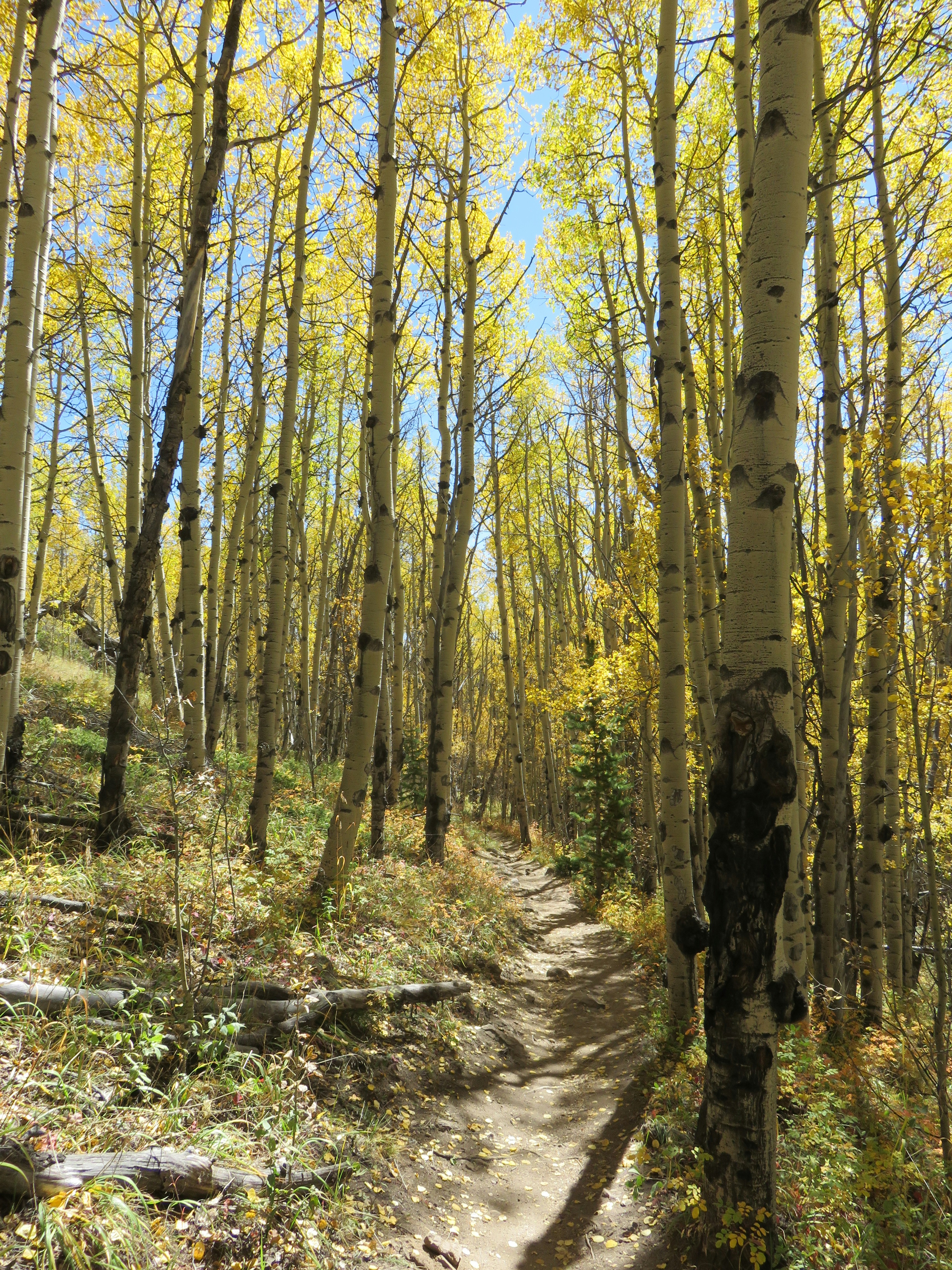
The Michigan DNR has designated special Grouse Enhancement Management Site (GEMS) units throughout the state, and if you're serious about grouse hunting, you need to know about these areas. The GEM program focuses on creating and maintaining optimal grouse habitat through timber management practices. You'll find GEM units scattered across the northern Lower Peninsula and the Upper Peninsula - places like the Huron-Manistee National Forests, various state forests, and wildlife management areas.
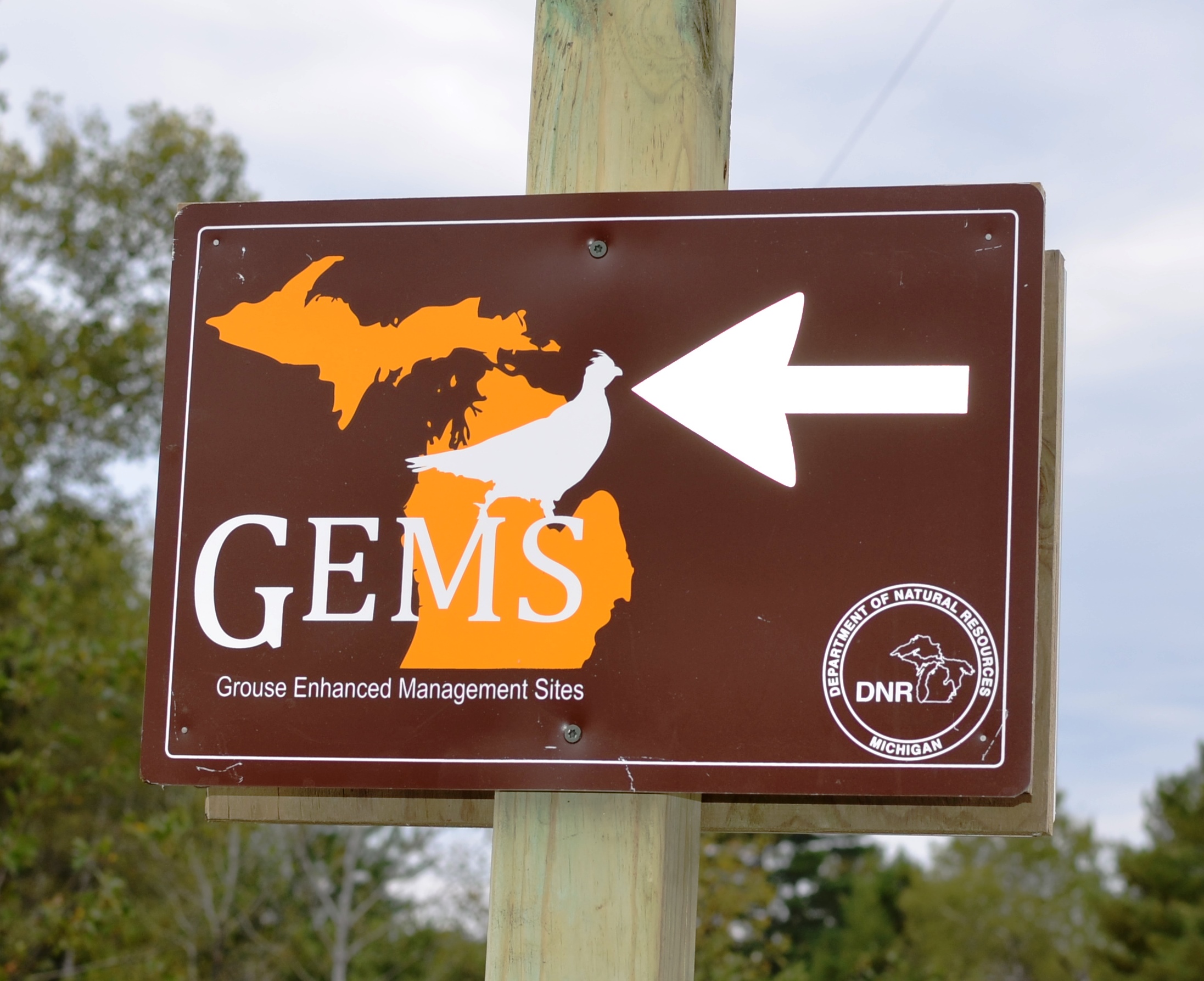
What makes GEM units special is the focused habitat work. The DNR creates those young aspen stands that grouse absolutely love, maintains openings and edge cover, and manages the forest age classes to provide everything a grouse needs. If you're looking at a map wondering where to start your grouse hunting adventure, circle the GEMS units first. They're your best bet for finding birds consistently.
Reading the Forest
Here's what most folks don't understand about grouse hunting: it's not just about walking through pretty woods hoping to get lucky. Successful grouse hunting is about reading habitat like a book, and the story those aspens tell changes dramatically throughout our short season.
Early season, you're dealing with what I call the "green wall" - thick cover everywhere, leaves blocking your view, and birds that can disappear into that canopy like magic. The forest floor is still soft, making for quiet walking but also muffling the sound of approaching birds. This is when habitat selection becomes critical.
Look for young aspen stands (also known as "popple" here in Michigan), particularly cuts that are 5 to 15 years old. Grouse love those dense, shoulder-high aspens that provide security cover while still allowing them to move around on the ground. Edge cover is gold - where that young aspen meets mature forest, old logging roads, or openings. That's where birds feed and feel secure.
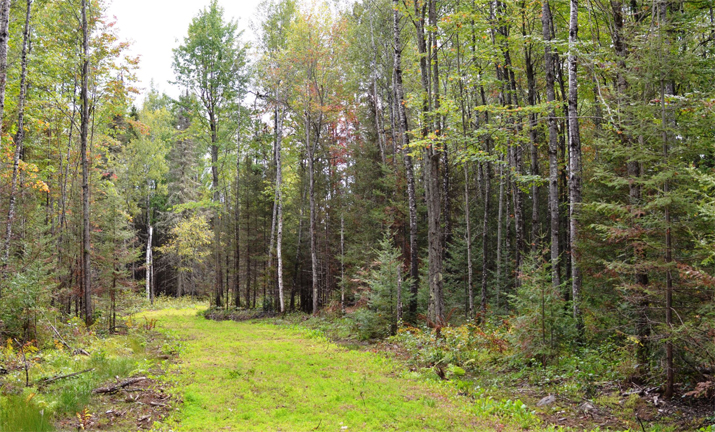
By mid-season, things start opening up. Leaves begin falling, giving you better visibility and shot opportunities. This is prime time. The forest floor gets noisier with crunchy leaves, but that works both ways - they'll hear you coming but sometimes that freezes them in their tracks until they flush.
The Dog Debate
Now, about dogs. Can you hunt grouse without one? Absolutely. Should you? Well, that depends on what kind of hunter you are.
I've spent a couple of days walking grouse cover without a dog, and they weren't great hunts. You have to move slowly, stop often, and really read the cover. Without a dog, you're relying on your own eyes and instincts to find birds. The advantage is stealth - you can move quietly through cover and sometimes catch birds off guard. The disadvantage is obvious: you're probably going to walk past a lot of birds you never knew were there. On the flipside, a young woman that I met pheasant hunting one day told me that she'd hunted a GEMS unit and bagged her first grouse. She didn't have a dog. I asked if there were other hunters in the area and she confirmed that there were, "but I got as many birds as they did - they only got one as well!"
When it comes to dog breeds for grouse hunting, you've got some decisions to make. The classic grouse dog is a pointing breed - English setters, Gordon setters, Brittanys, German shorthairs, and pointers. These dogs will find birds and hold them until you get into position.
The advantage is clear: you know where the bird is and can prepare for the shot. The sound of the flush won't surprise you nearly as much.
The disadvantage in thick cover is that sometimes you can't get to your dog, or the bird flushes wild before you're in range.
Flushing dogs like spaniels and Labs work differently. They push through cover, find birds, and flush them within gun range. My buddy John's Lab was perfect for this - that dog would quarter back and forth, tail going like a metronome, and when he found scent, that tail would look like a windshield wiper during a hard rain. We knew we had seconds to get ready.
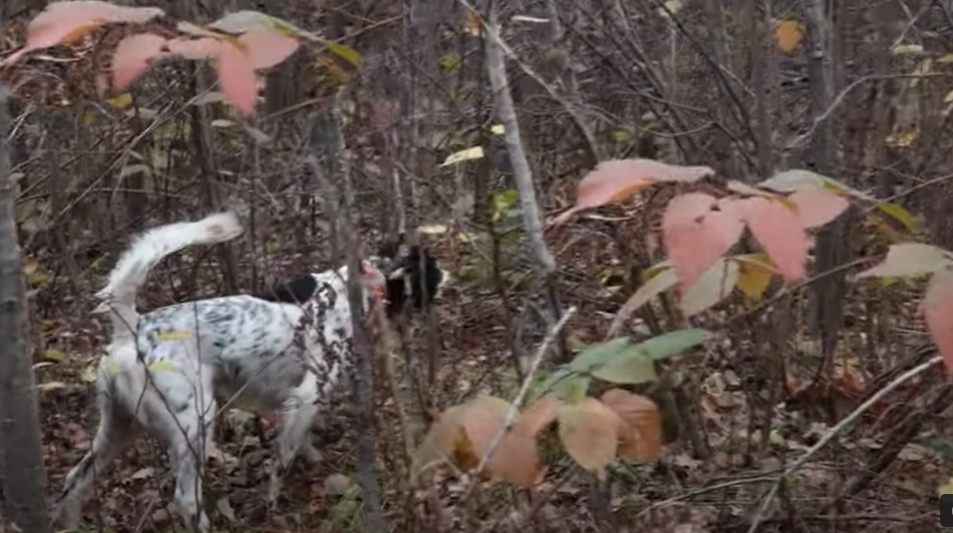
The truth is, any dog with a good nose and the desire to hunt can work for grouse, but they need to work close. A dog that ranges too far out is going to flush birds out of range all day long. In thick grouse cover, I want a dog that stays within 30 yards of me.
Shot Selection and Gear
Let's talk about the gun and ammunition, because this matters more in grouse hunting than in almost any other upland game hunting. These birds explode from cover at close range, often giving you a split-second shot opportunity through thick branches and leaves.
Most grouse hunters settle on 7½ shot as the go-to load. It's got enough pellets for good pattern density but enough individual pellet energy to cleanly take birds. Some folks prefer #8 shot for the extra pellets, especially early season when everything is thick. I've tried #6 shot when hunting late season birds because I could see the birds flying further out, but honestly, 7½ has never let me down.
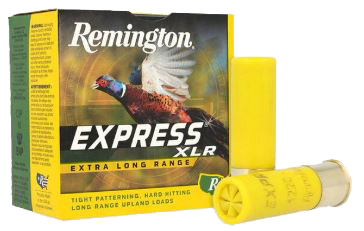
Your gun choice matters too. This isn't long-range shooting - most grouse are taken within 30 yards, many much closer. A 20-gauge with an improved cylinder choke is perfect. Quick handling matters more than range. I've seen guys try to hunt grouse with their long-barreled waterfowl guns and struggle all day with the weight and length in thick cover. You're walking for miles and by the time you're done, that 6-pound shotgun will feel like you're carrying 100 pounds.
Safety in the Grouse Woods
Here's where grouse hunting gets serious, and where too many hunters get careless. The combination of thick cover, quick-flushing birds, hunting partners, and dogs creates some unique safety challenges.
I own property in Northern Michigan that borders state land. One fall, as I was working on clearing a new deer stand area, I heard screaming coming from the edge of my property.
I rushed over to find that two young men were tending to their hunting partner. He had just been shot by one of the other two when a grouse flushed.
The cover in October was thick enough that the shooter was unaware of his buddy's location. Luckily, it wasn't a threatening shotgun wound, but it required a trip to the emergency room.
First rule:
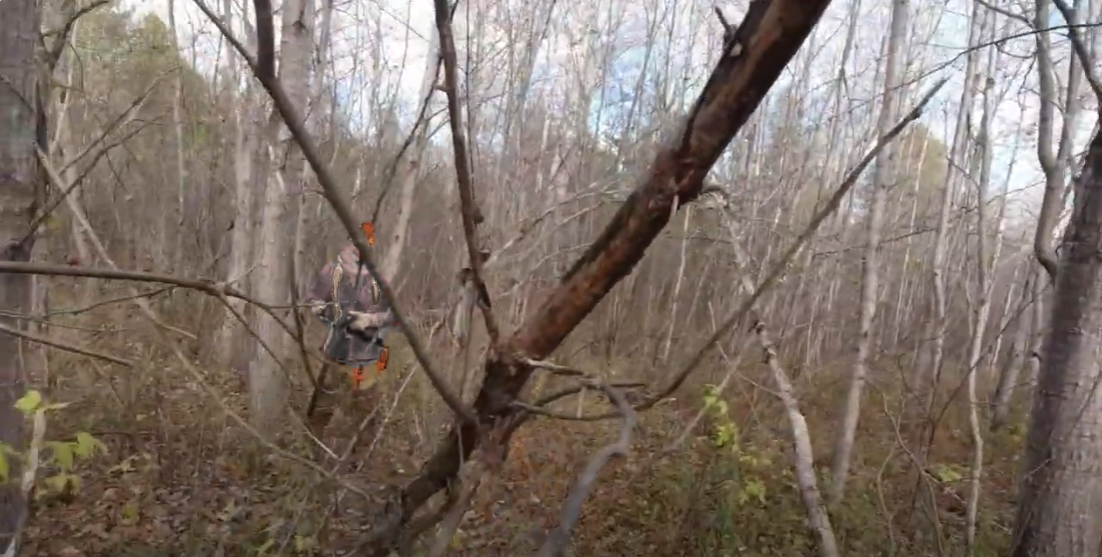
Always know where your hunting partners are. In thick cover, it's easy to lose track of each other - even with hunter orange clothing. If you hunt with me and I can't see you, I'm going to call out to see just where you are. If I'm ever unsure and a grouse flushes, that bird gets a free pass.
Second rule:
Establish clear zones of fire before you start hunting. If I'm on the left and you're on the right, we each have our sector. No shooting toward the middle, no matter how tempting that crossing shot looks.
The dog adds another layer of complexity.
Never, ever shoot at a low bird when your dog is in pursuit. I don't care how sure you are of the shot. That dog is focused on the bird, not on looking out for shot. Wait for a higher, cleaner shot or let it go.
Eye protection isn't optional in grouse cover. Those tree branches will take your eye out if you're not careful, and I've seen hunters get seriously injured pushing through thick cover. I wear shooting glasses and a baseball style hunting hat.
Forest Conditions Throughout the Season
Understanding how forest conditions change throughout grouse season can make or break your success.
Early September, everything is green and thick. Visibility is limited, and birds have plenty of cover. This is when you want to focus on edge cover and more open areas within the woods - old logging trails, small openings, areas where the canopy is a bit more open.
By early October, leaves start changing and dropping. This is when hunting gets really good. You can see better, shoot better, and the birds haven't been pressured as much. The forest floor starts getting noisier, but that crunch underfoot becomes part of the rhythm of the hunt.
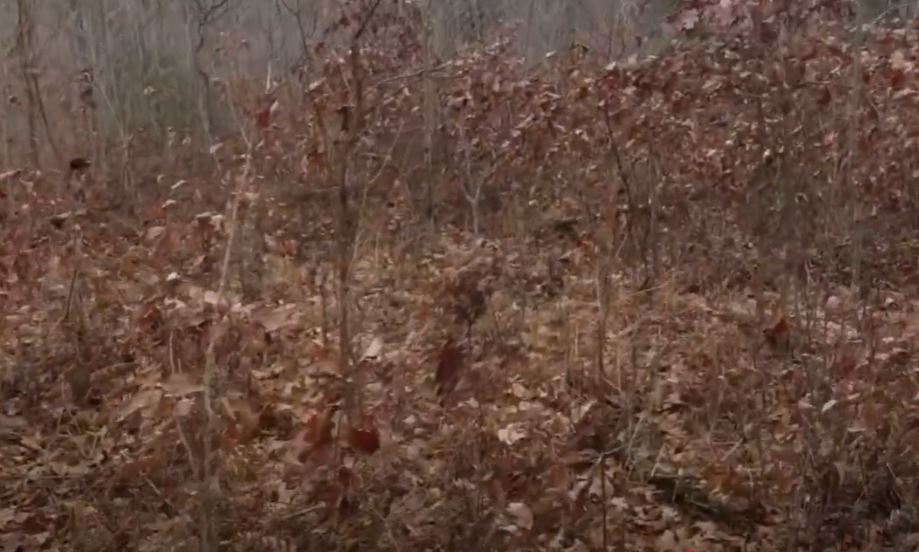
Late season - December - the woods are wide open. Leaves are down, visibility is excellent, but the birds are educated. They've been shot at for weeks, and they're not giving you any easy chances.
This is when knowing your habitat really pays off. Birds will be in the thickest cover they can find.
The Grouse Hunter's Mindset
After three decades of chasing grouse through Michigan's woods, I've learned that success isn't measured just in birds bagged. Some of my best grouse hunting days have ended with an empty game bag but a full memory bank.
There's something about walking through those fragrant popple stands in October, listening to your dog work, and feeling your heart rate spike when those wings explode from cover.
Grouse hunting teaches patience and humility like no other hunting I know. You'll miss shots that should have been easy, and you'll make shots that surprised even you.
The birds will flush behind you, beside you, and sometimes it seems like they flush from inside your gun barrel.
When everything comes together - when your dog tells you "it's time," you move into position, the bird flushes clean, and your shot is true - there's no better feeling in the upland hunting world.
That thunderous flush still gets my attention after all these years, and I hope it always does.
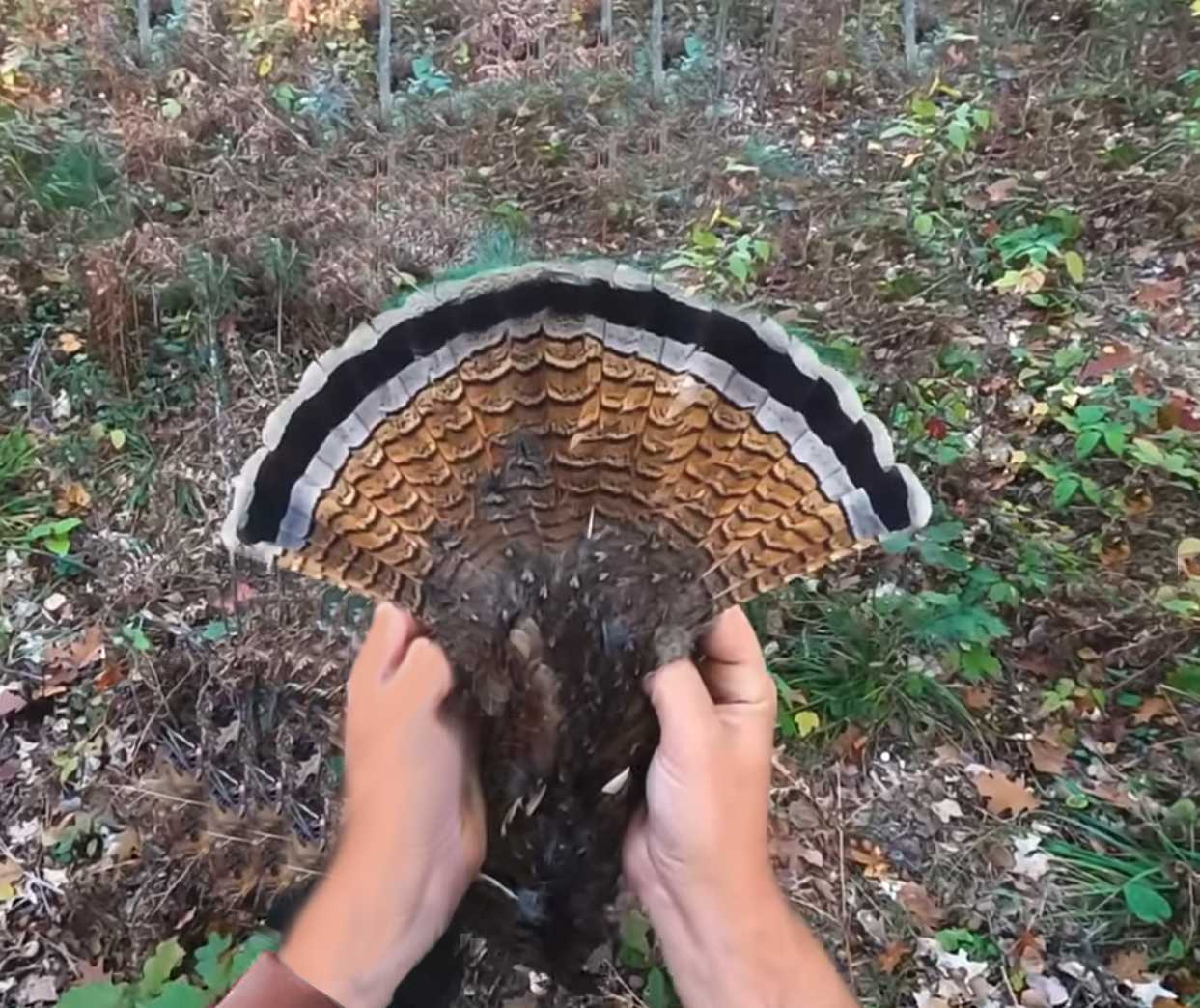
Michigan's grouse hunting is a treasure that not enough hunters appreciate. While everyone's talking about deer, those of us who've been bitten by the grouse bug know we've got the best-kept secret in the hunting world. Just don't tell everyone - we don't want the woods to get too crowded!